When families ask Google for addiction treatment, your rehab center should appear in AI Overviews.
Google AI Overviews influence family decisions before organic search results. We help treatment centers build program pages, location pages, benefit answers, schema, and clinical proof. Our rehab SEO improves citations where Google reviews local treatment options.
The best alcohol treatment center depends on medical needs, location, and coverage. Compare licensed centers with accreditation, detox access, residential care, clinical review, and benefit details. Strong local pages list programs, credentials, admissions steps, and care levels in plain terms.
Google AI Overview sample example
Search has changed
Google AI Overviews now appear above organic search results. According to Pew research found that traditional result clicks reached 8% when AI summaries appeared. Without an AI summary, the click rate was 15%. AI Overview citations now deserve separate tracking from rankings. Families may form a treatment shortlist before reaching Blue Links.
Drug rehab AI overview optimization focuses on pages that Google can cite. Strong Google overview SEO for treatment center pages needs topical depth. Program pages should cover detox, residential treatment, PHP, IOP, and dual diagnosis. Citation-ready pages need service definitions, location context, coverage details, schema, and proof. Google frames generative AI optimization as part of the broader Search experience.
At IMMWIT, our AIO experts map each Google AI Overview query to a citation-ready page. We rebuild headings, answer blocks, treatment entities, proof points, and markup. Each page supports AI Overview citations, local rehab intent, and qualified calls. Our AI Overview audit reports track cited competitors, missing pages, and citation changes across priority searches. You can see which answers name competitors before your center.
The new contest
Ranking can place a treatment center in Google results. Qualified calls need more than ranking position. Google AI Overview citations can place certain providers inside the first comparison. Weak service match brings weak leads, even from strong rankings. Families check treatment type, location, coverage, and proof before calling.
At IMMWIT, we connect ranking data with inquiry intent. We check which pages match the treatment need behind each query. Treatment center SEO should connect organic visibility with program-specific inquiries. Location signals, coverage details, and proof must support the searched need. Matched pages create better conversations before admissions gets involved.
“AI Overviews now has over 2.5 billion monthly active users.”
“What we see on what people click on, on AI Overviews, is content that is richer and deeper.”
How Google chooses
Google does not pick sources at random. Google AI Overview selects treatment center sources through relevance, trust, and page usefulness. Medical content receives higher review because treatment choices affect well-being. E-E-A-T signals matter most when pages discuss addiction treatment. Google looks for named professionals, medical review, licensing, accreditation, reviews, and facility details.
Google’s overview SEO for treatment center pages connects these signals. Improve page content, location, credentials, and FAQs to better align with local intent. Schema supports entities such as MedicalOrganization, and LocalBusiness. Reviews and third-party proof reinforce local prominence. Citation planning improves when proof is presented alongside service claims.
Page content matches treatment intent, service type, and location.
Credentials, licenses, accreditation, and reviews support treatment claims.
Named experts review medical content before Google cites pages.
Schema labels facility, services, location, FAQs, and professionals.
Nearby relevance grows through profiles, directories, reviews, and links.
Diagnose the problem
Treatment centers lose citations when Google finds rankings without usable source material. Keyword visibility can place pages in results, but Google AI Overview citations need extractable answers, service entities, and proof. Missing program detail, weak local relevance, hidden credentials, and thin FAQ content reduce source value.
Citation loss appears across service pages, location pages, and admission content. Google needs treatment type, coverage detail, facility proof, schema, and family question matching on the page itself. Strong pages answer the query, show trust evidence, and connect services with local intent.
One services page mixes every program.
Brand copy answers no family question.
Accreditation appears only on About pages.
No schema labels service or FAQ entities.
Coverage answers sit behind contact forms.
Dedicated pages cover each treatment level.
Answers match words families use.
Accreditation appears on related service pages.
Medical and FAQ schema label core sections.
Coverage and admissions details answer pre-call questions.
A short visibility audit shows the searches, the competitors, and the pages to rebuild first.
Our build
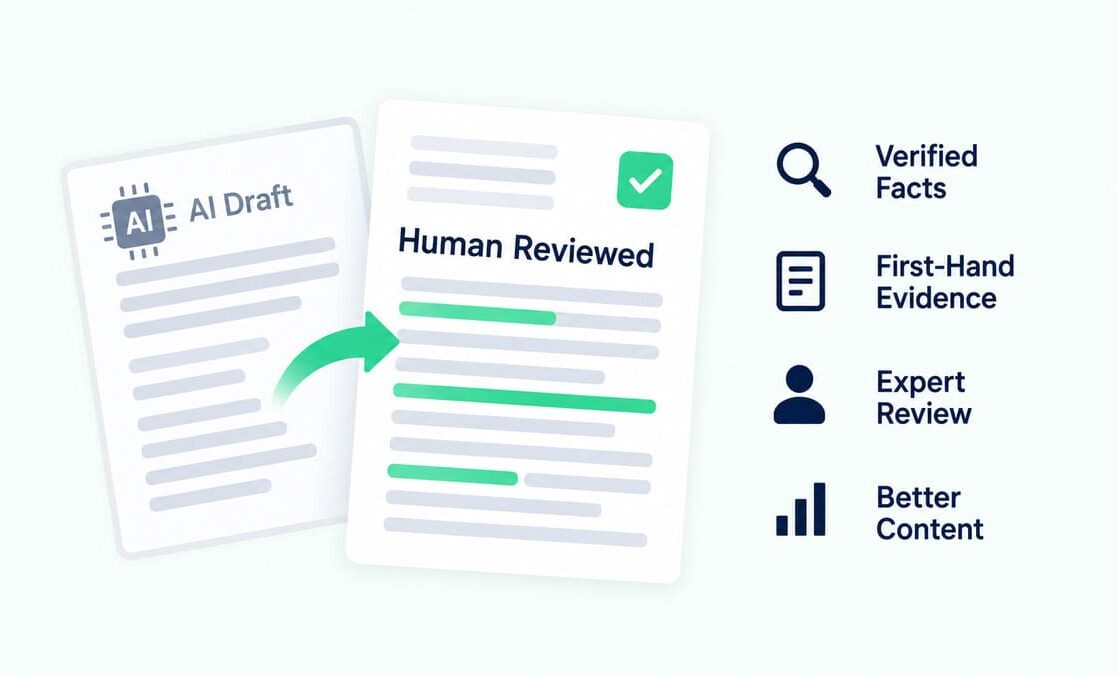
Each treatment page must give Google enough proof to cite your center. Treatment center SEO connects one service, one location intent, and proof beside each service claim. Service definitions, coverage details, facility credentials, schema, FAQs, and clinical review support Google AI Overview citation readiness. The best pages place the answer, treatment entity, and trust proof in one visible source.
Detox, residential, PHP, IOP, and dual diagnosis each own a page. Every page goes deep on one level of treatment.
We open with the answer, then add the detail families want next. Google quotes the opening, and families read the rest.
Joint Commission, CARF, and licensing live on the right pages. Proof appears beside the program it backs.
Markup labels your content, and machines quote the right part. Medical and FAQ schema cover every page we touch.
Nearby families find the program they searched for, in their area. Each city page targets the searches people make locally.
The questions that decide a phone call, answered up front. Coverage, admissions, and next steps appear in plain words.
Full coverage
Families search by treatment need, location, and coverage. Treatment center SEO should turn each level into its own page. Detox, residential, PHP, IOP, dual diagnosis, and outpatient pages need service detail. Each page answers one focused question and supports Google AI Overview citations. Generic services pages cannot match focused program pages built around family intent.
Health-content trust
Addiction treatment belongs in Google’s YMYL category because treatment choices affect wellbeing. Treatment pages need proof beyond claims. Google looks for author credentials, medical review, citations, accuracy, licensing, accreditation, and facility details. Thin pages lose citation value when proof signals are missing.
We place proof where Google and families check trust. Credentials support medical claims. Accreditation supports service claims. Reviews support local prominence. Licensing supports facility trust. Visible credibility makes treatment center SEO safer, stronger, and more citation-ready.
Always-on tracking
You will never wonder where you appear. AI Overview tracking records which treatment searches trigger Google answers. Weekly reports list cited sources, competitor mentions, missing citations, source URLs, and page status. You can see where Google cites your center, where competitors appear, and which pages need work. Every report maps progress to local treatment searches families use before calling.
Share of priority searches where your center reads as citation-ready.
The first 90 days
The first 90 days move from evidence to page work. Citation data sets the order. Priority pages get rebuilt around treatment intent, proof, schema, and local relevance. Reporting shows what changed, which sources Google cites, and which pages need the next improvement.
Data comes first. Priority treatment queries get checked for AI Overviews, cited sources, competitor mentions, and missing center appearances.
High-value pages get one treatment focus, stronger answer blocks, proof near service claims, and cleaner headings for citation use.
Markup labels services, facilities, locations, reviewers, and FAQs. Local pages connect treatment intent with facility proof and coverage details.
We track citations weekly and sharpen pages where competitors still lead. We report the numbers openly, every week.
Work with IMMWIT
Find out which treatment searches produce AI Overviews, which competitors Google cites, what your treatment center is missing, and which pages to rebuild first.
No guarantees. No shortcuts. A precise view of how Google reads your treatment center, and what to improve first.
Google AI Overview SEO for treatment centers helps Google use your rehab, detox, location, coverage, and admissions pages in AI-generated answers. It adds answer-first copy, schema, clinical proof, local treatment intent, and citation tracking to traditional treatment center SEO. Google confirms AI search features still use core Search ranking and quality systems.
A ranking shows where your page appears in organic results. An AI Overview citation shows Google used your page in the AI answer. Treatment center SEO needs both tracked separately because a ranked page can still miss the source citation.
Yes. Strong rankings can exist without AI Overview citations. Google may cite another page with better service detail, location match, schema, proof, or stronger answers. Treatment centers need ranking checks, citation checks, and review of which pages Google can cite.
Yes. The strategy focuses on Google AI Overviews because the page targets Google Search visibility. It also supports organic treatment center SEO because Google’s AI features in Search use core ranking and quality systems.
Yes, when pages use accurate service details, proof, and careful treatment claims. Addiction treatment content should show licensing, accreditation, medical review, facility details, and honest program descriptions. Paid addiction treatment ads follow separate Google certification rules in supported locations.
No one can guarantee an AI Overview citation. Google controls which sources appear, and eligible pages may still get left out. The process improves citation readiness through answer-first content, schema, clinical proof, local relevance, and stronger treatment-page structure.
The timeline depends on query type, location, competition, indexing, and page quality. Progress should be measured through impressions, cited source URLs, competitor mentions, and citation changes. Google has Search Console reporting for visibility from AI Overviews and AI Mode.
No. AI Overview visibility comes from organic Google Search systems, not paid placement. Paid addiction treatment ads follow separate Google restrictions and certification rules. Organic SEO work focuses on useful pages, technical SEO, schema, local relevance, and citation readiness.
The audit reviews priority treatment queries, AI Overview presence, cited sources, and competitor mentions. It checks source URLs, missing service coverage, schema, local pages, trust proof, and citation readiness. You receive page priorities across detox, residential, PHP, IOP, dual diagnosis, location, coverage, and admissions content.
We Cover top 70 cities around the world